
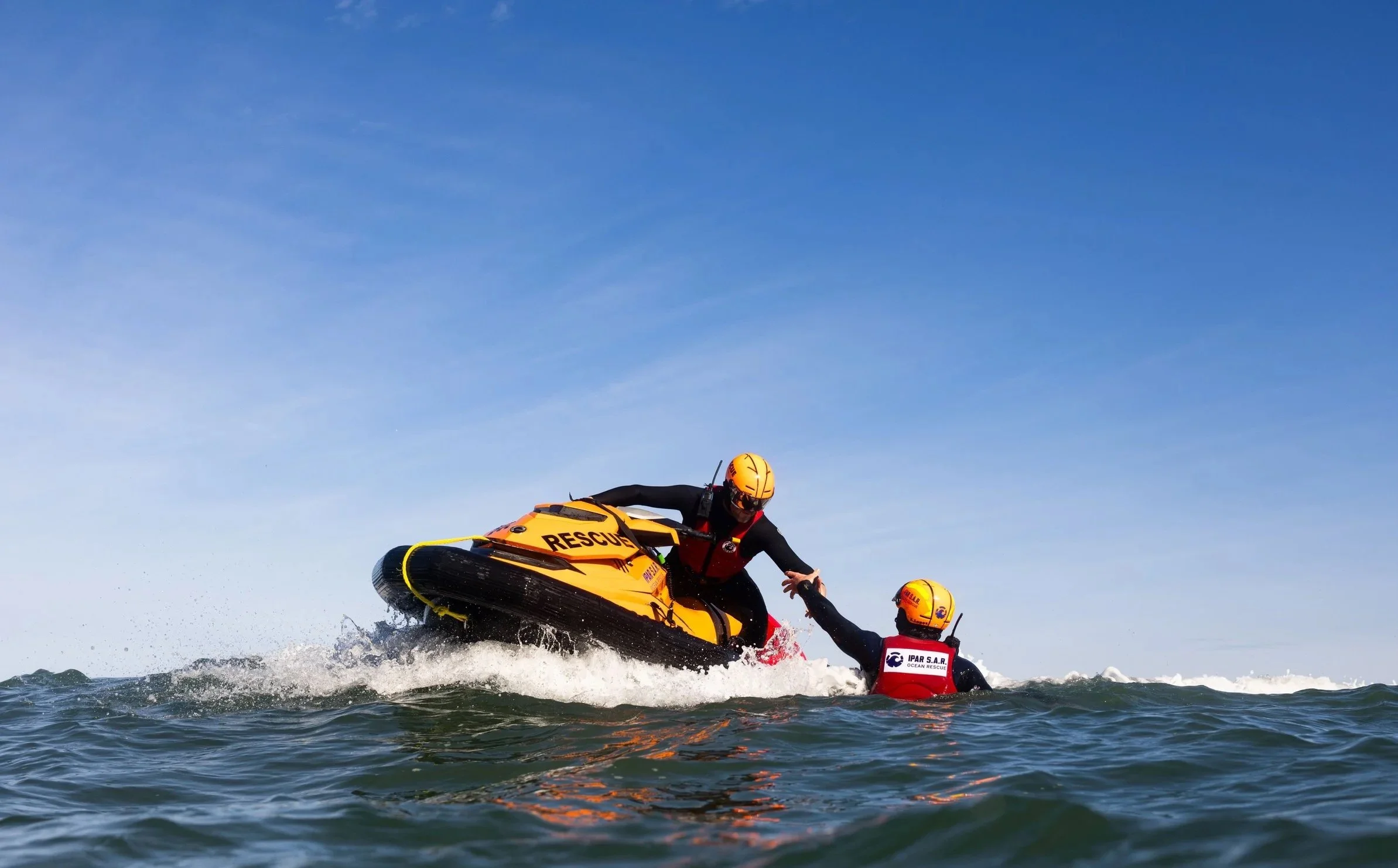
IPAR S.A.R. team has first-hand knowledge of the needs and demands faced by rescue teams. Our instructors are active professionals from different emergency services, such as fire departments, maritime rescue, and lifeguarding, which allows us to provide advanced technical training based on real-life interventions.
We design maritime rescue and safety training programs tailored to complex scenarios. We offer direct, practical, and effective training focused on the maneuvers and tools that are truly useful in preparing professionals for the most demanding rescue situations.
Training areas
-
Training areas -
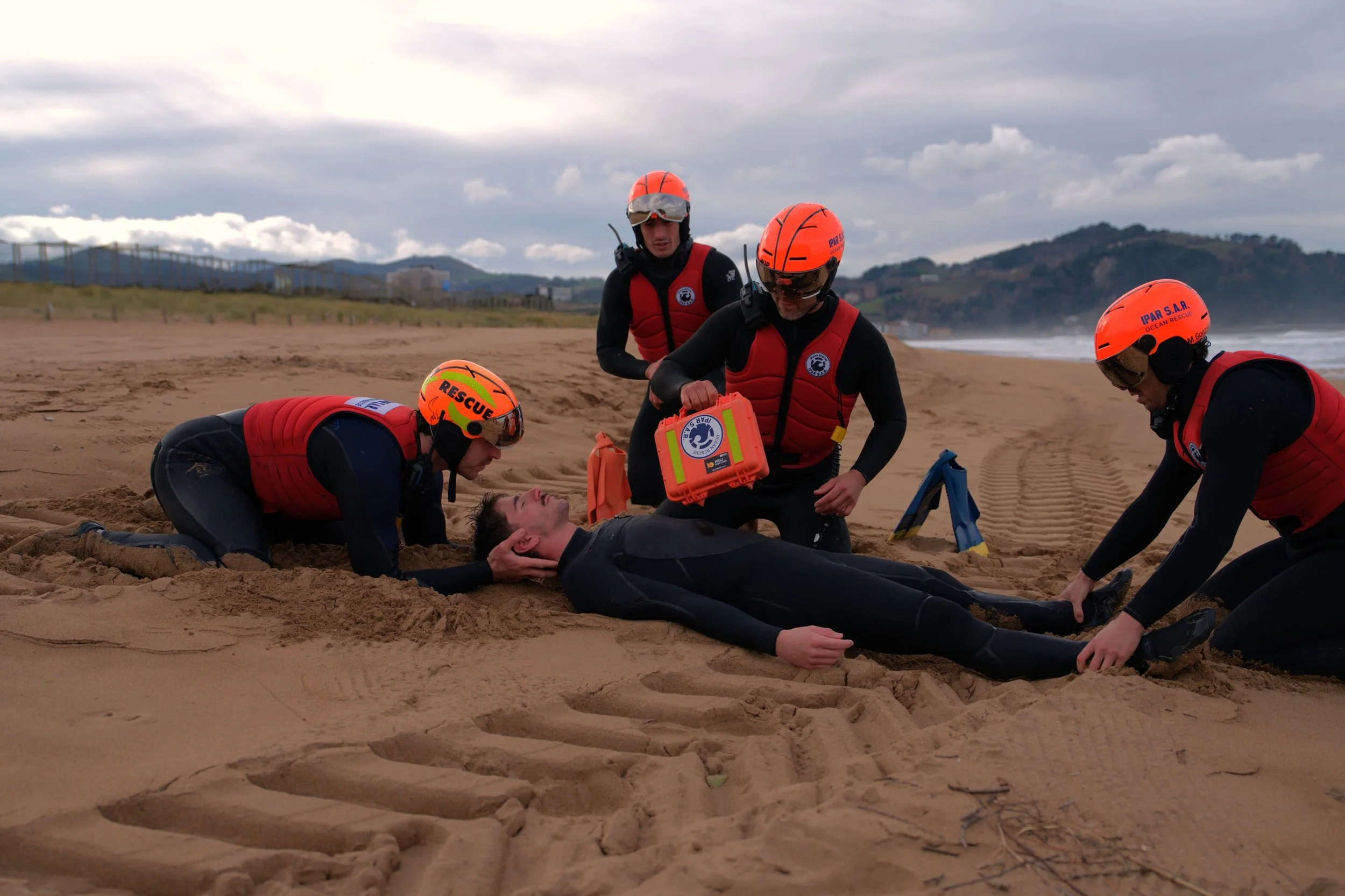
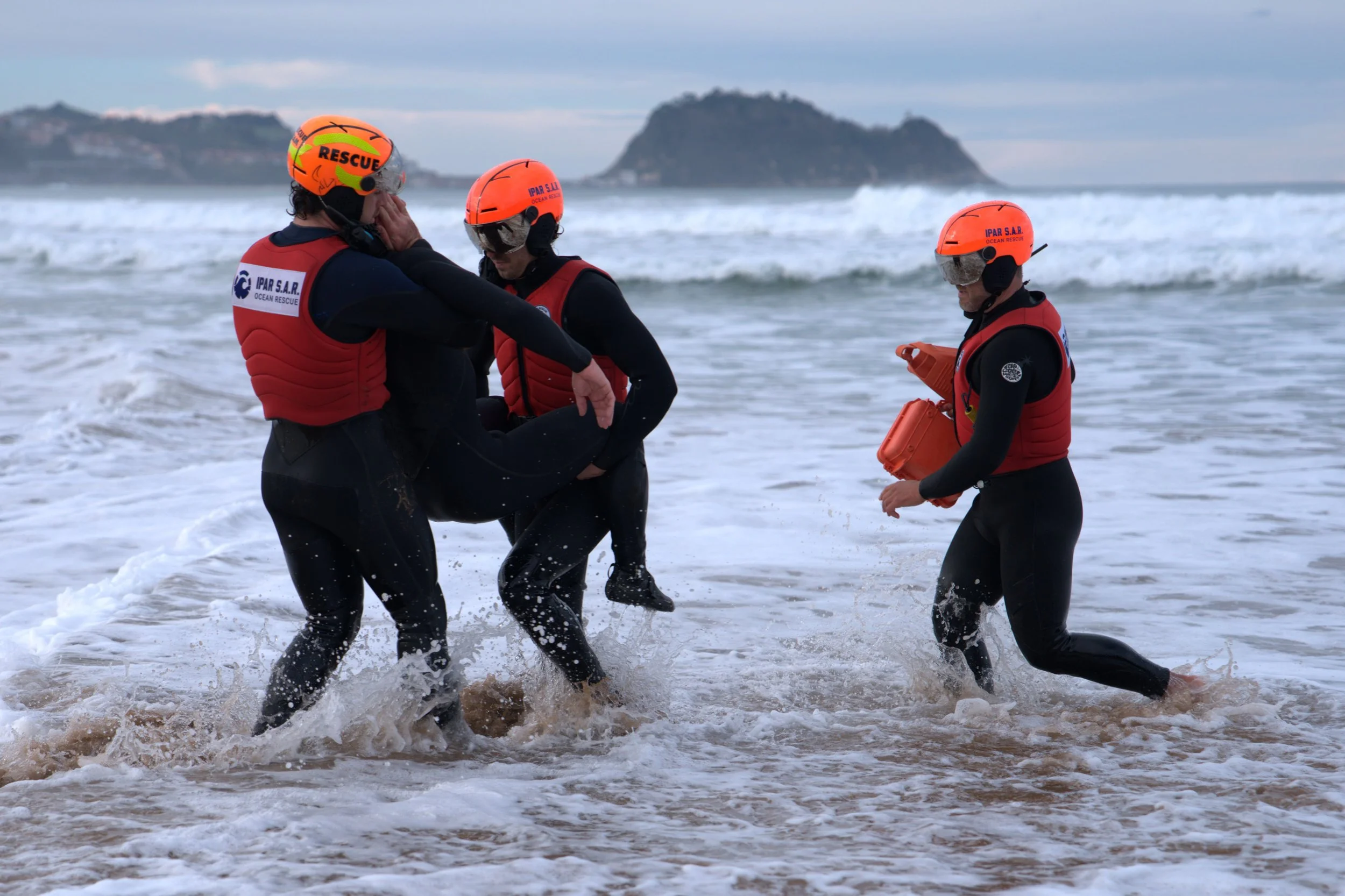
Lifeguarding and water rescue
Lifeguarding is the foundation of every water rescuer. A lifeguard must feel comfortable in the water, move with agility, analyze the environment, and identify the type of victim.
Our training focuses on learning how to properly study the environment in order to extract the victim in the safest possible way and provide initial medical assistance.
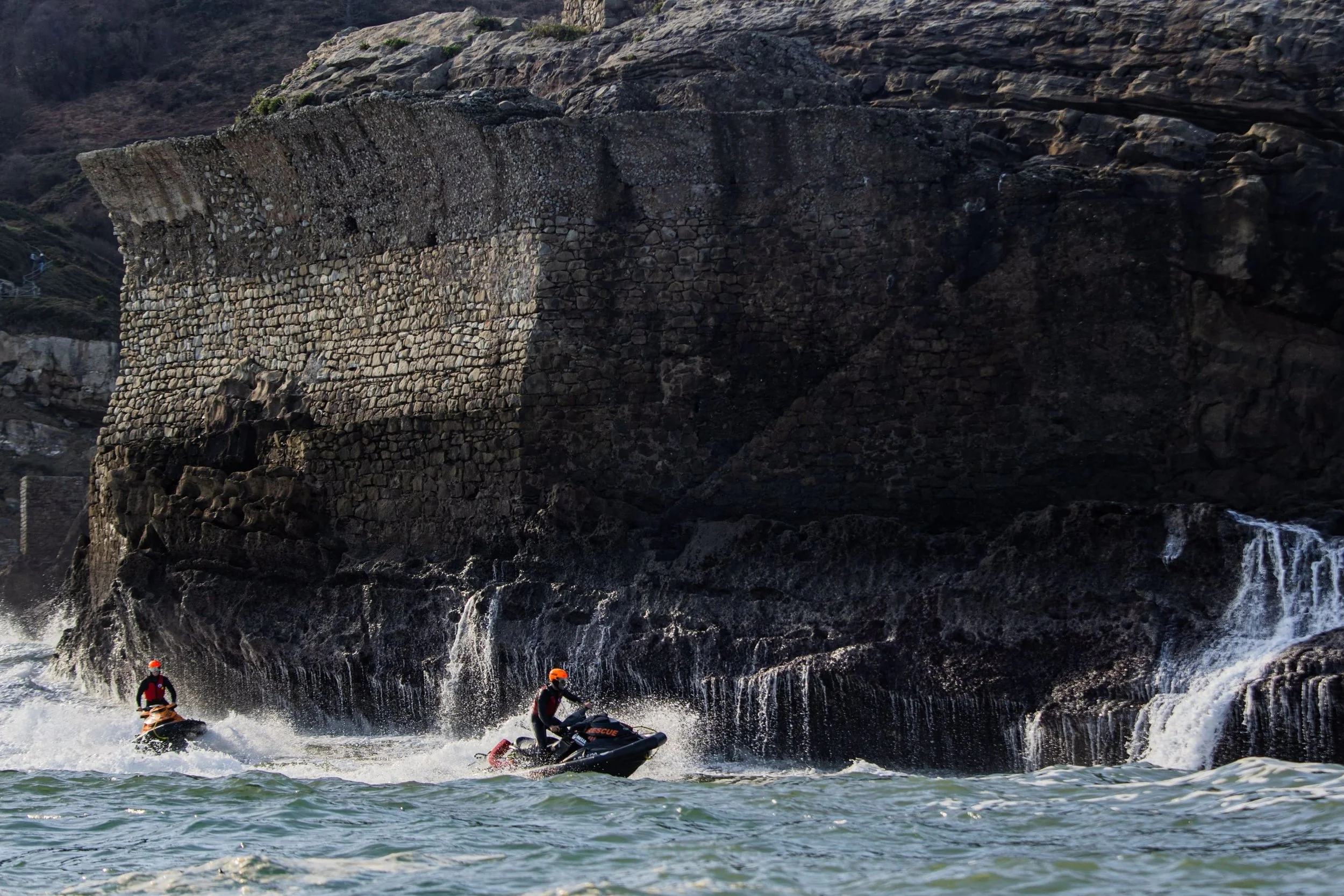
Jet ski rescue
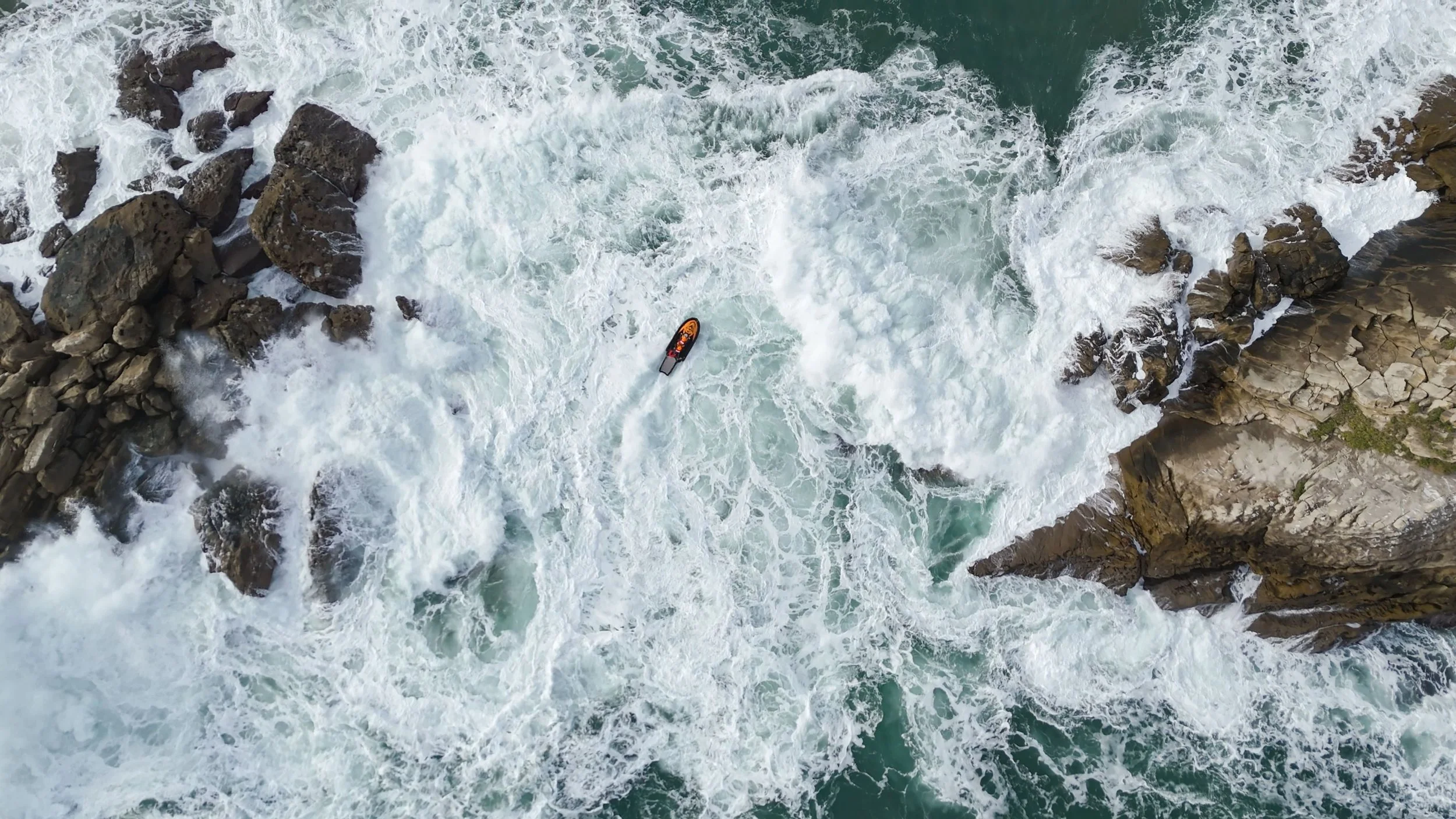
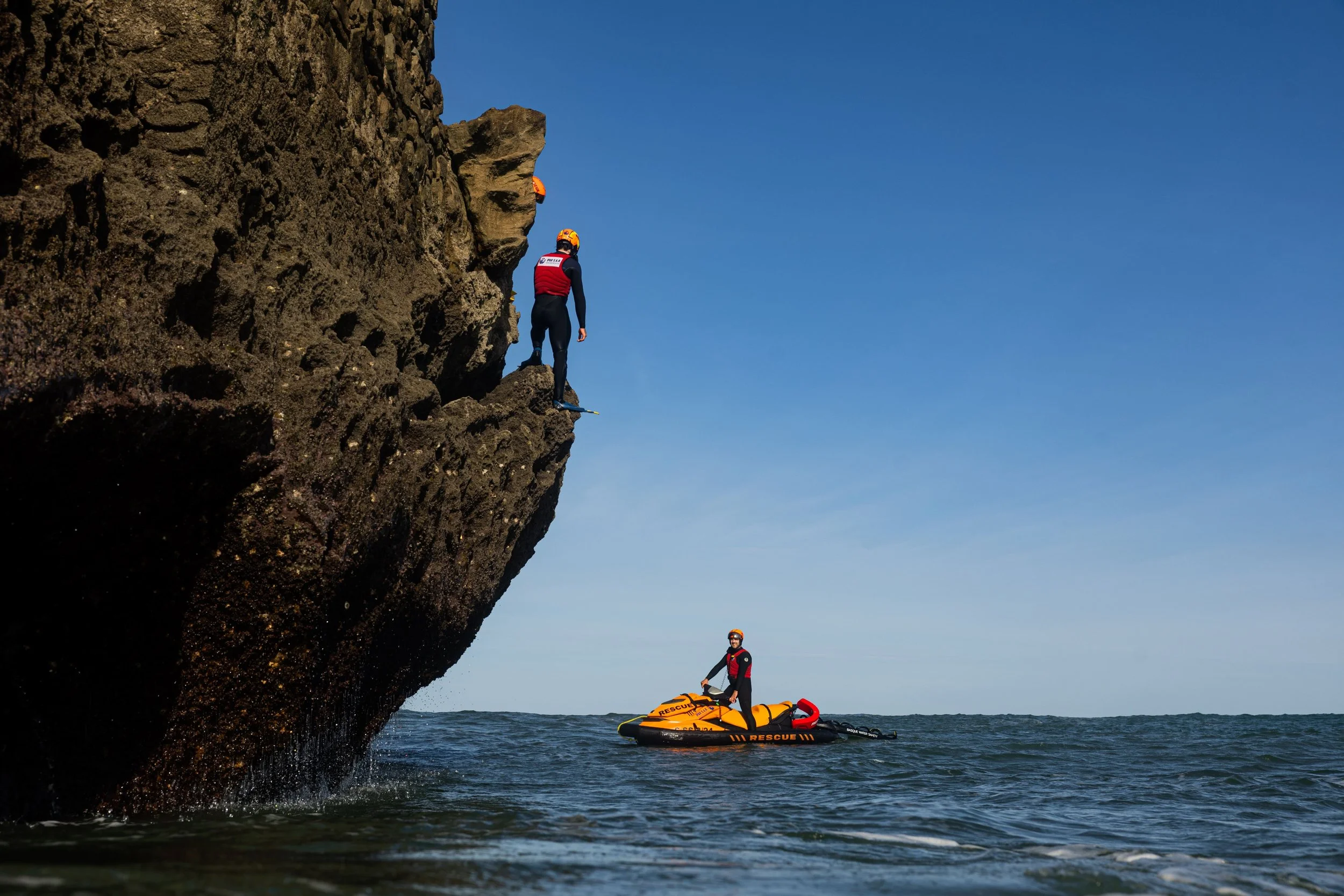
Jet skis have revolutionized the world of water rescue, becoming the best option for operating in surf zones, cliffs, and beaches.
Thanks to their maneuverability, shallow draft, providing easier victim extraction and the absence of exposed propellers, proper training allows rescues to be carried out safely even in complex environments.
We specialize in maneuvering rescue jet skis, and our goal is to transfer our knowledge to emergency professionals.
Rescue boats
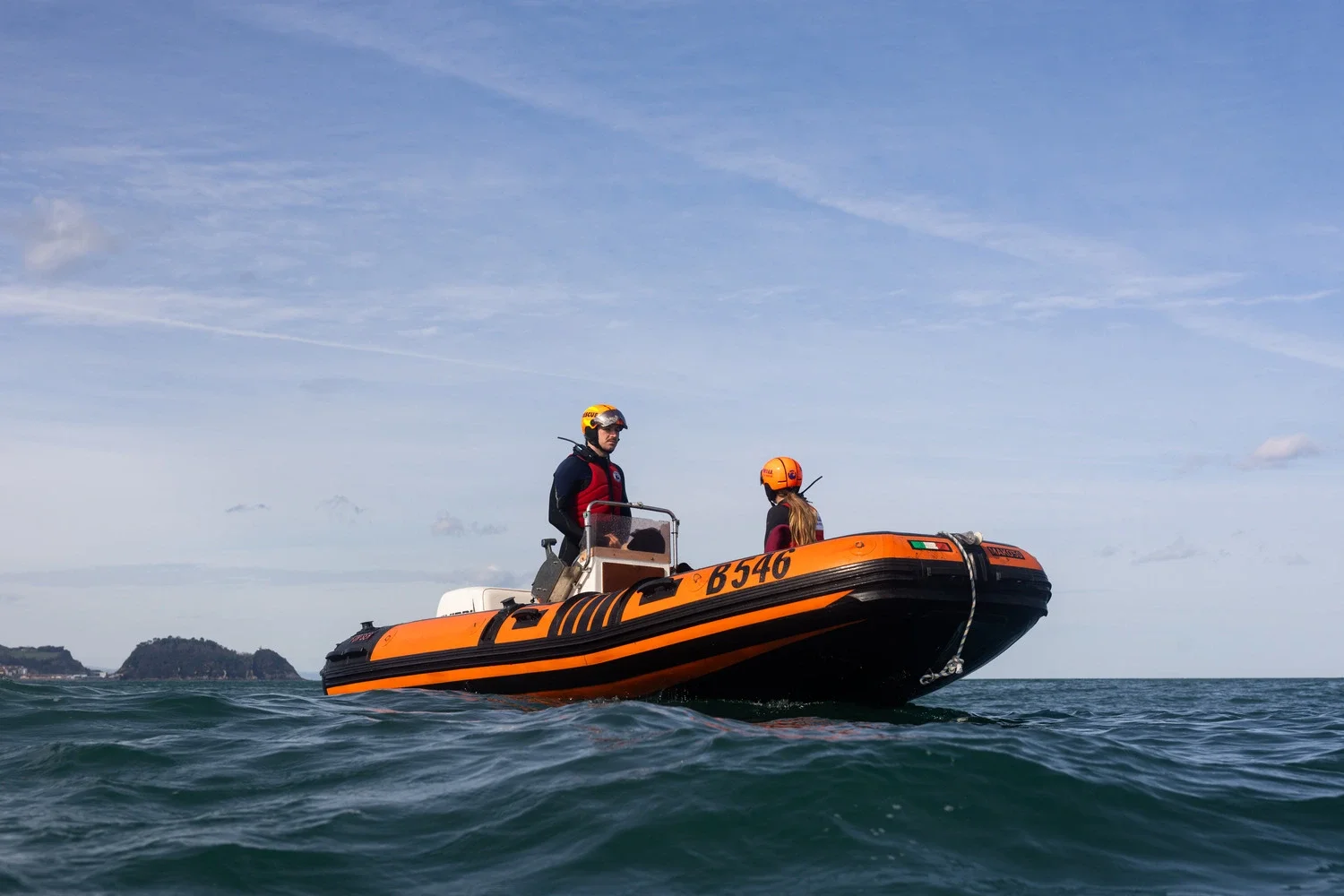
In the past, before helicopters and jet skis arrived, they were the only tool for rescuing shipwrecked people at sea.
Today, rescue boats allow for safe navigation in extreme conditions, the search for missing people at the sea, the rescue of a large number of victims, and assistance to other vessels.
They are a fundamental part of maritime rescue and a key tool in our rescue operations at IPAR S.A.R.
Comprehensive training for emergency services
The main objective of a maritime rescue team is to bring the victim to a safe place and provide immediate assistance. These operations can take place in very different contexts, such as search and rescue missions at the sea, interventions on cliffs, on beaches, or even aboard other vessels.
For this reason, the professionals that are responsible for saving lives at sea must be trained in several disciplines. The purpose of this training is to prepare rescuers to be highly versatile and capable of acting effectively in any situation.
Our comprehensive training focuses on three fundamental disciplines:
Lifeguarding and water rescue
Rescuers must feel confident in the water, learn to read the environment, carry out the extraction of different types of victims, and apply first aid.
Jet ski rescue
Rescuers must be able to operate in hard-to-reach areas such as surf zones, cliffs, and beaches, safely handling the jet ski.
Rescue boats
Rescuers must master boat handling in restricted maneuvering areas and in adverse navigation conditions. We work on search patterns, victim extractions, and assistance to other vessels, among other techniques.
These three disciplines are interconnected: learning in one area strengthens and enhances the others, creating a synergy that is key to responding effectively in any situation.